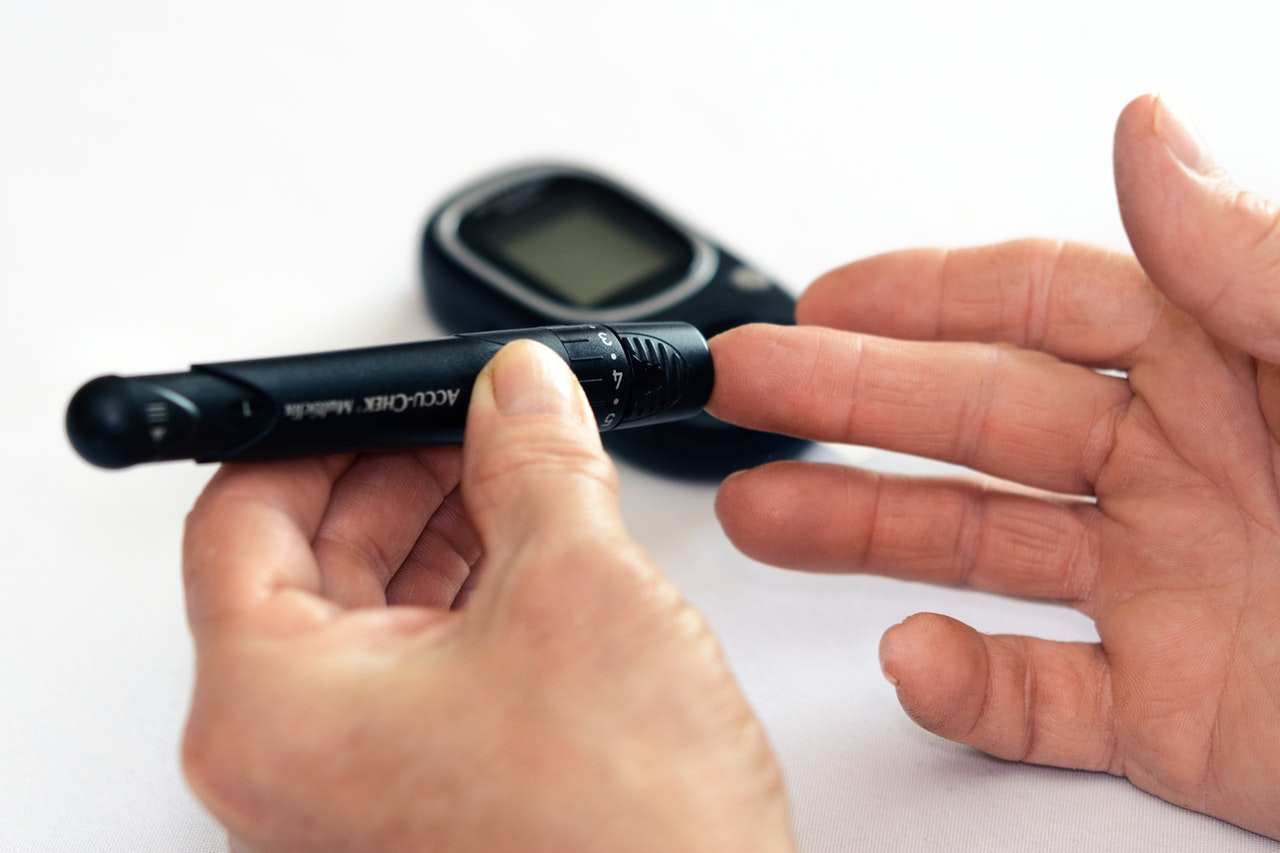
Diabetes occurs when the body cannot produce or properly use insulin, a vital hormone made by the pancreas that helps glucose enter your cells. This chronic metabolic condition means glucose builds up in the bloodstream instead of fueling your body’s cells. Unmanaged diabetes may cause damage to your nerves, blood vessels, heart, eyes, and kidneys. However, with the right care including diet, lifestyle changes, and medications, diabetes can be effectively managed.
Request an AppointmentTypes of Diabetes
Diabetes comes in various forms.
Type 1 Diabetes
Often called juvenile diabetes, type 1 usually shows up in children but can develop in adults too. It’s an autoimmune condition where the body attacks the insulin-producing cells in the pancreas, stopping insulin production.
Type 2 Diabetes
The most common type, type 2 diabetes is often linked to age, obesity, and family history. The pancreas may make insulin but the body struggles to use it properly, with insulin production decreasing over time.
Prediabetes
This condition means your blood sugar is higher than normal but not high enough for a diabetes diagnosis. Prediabetes increases your risk of developing type 2 diabetes but can often be reversed with weight loss and regular exercise.
Gestational Diabetes
This form develops during pregnancy when hormones make insulin less effective, causing high blood sugar. It usually resolves after birth but can affect your baby’s weight and increases the chance of diabetes in future pregnancies.
Most types of diabetes can be controlled, allowing people to live healthy, active lives with proper treatment.
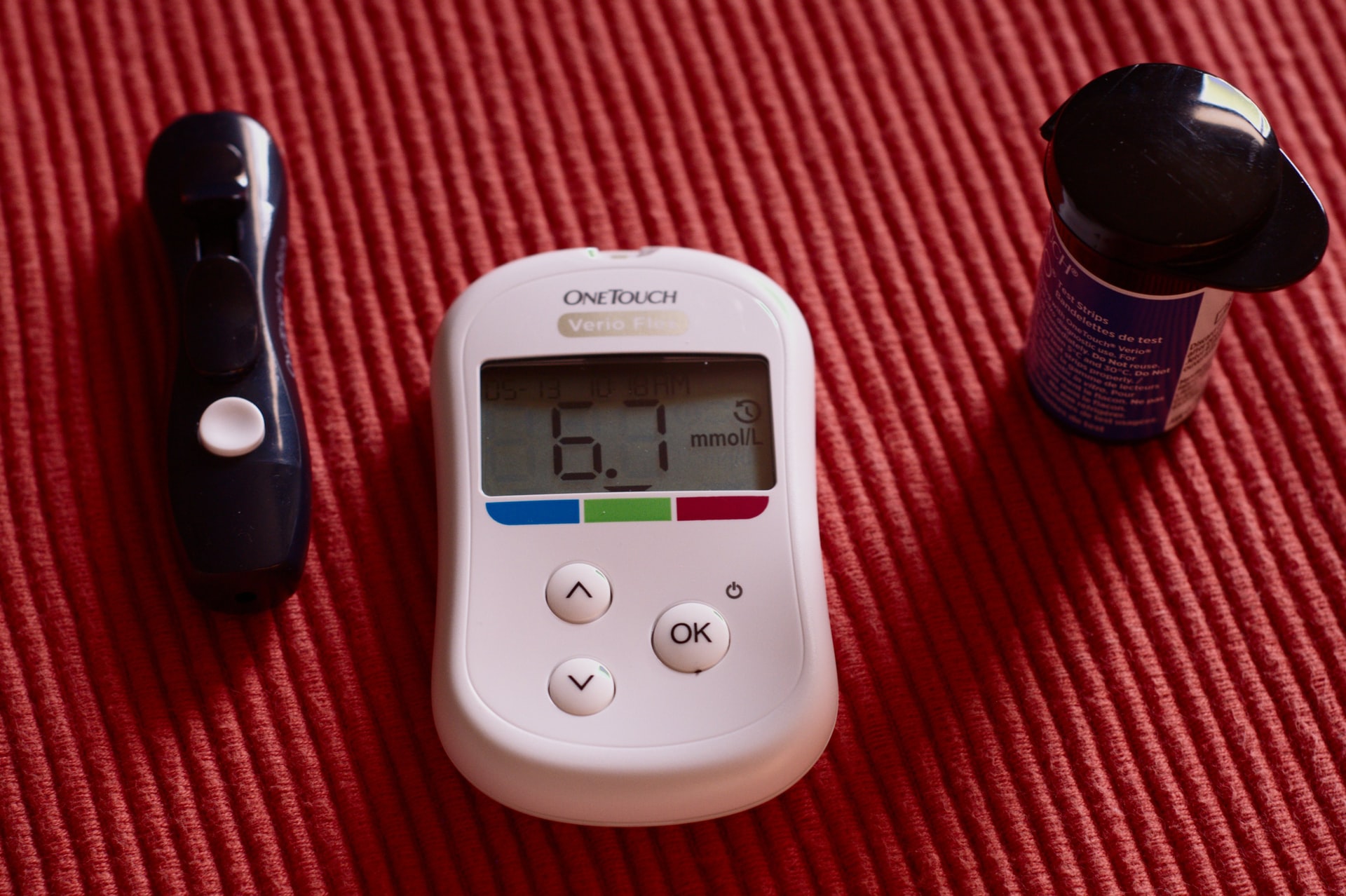
Symptoms of Diabetes
While type 1 diabetes often appears in youth, adults can develop it too. Common symptoms include:
- Frequent urination
- Increased thirst
- Unusual hunger
- Unexpected weight loss
- Fatigue
- Irritability
- Blurred vision
- Frequent infections
- Tingling or numbness in hands or feet
- Slow healing cuts or bruises
- Recurring skin, mouth, vaginal, or bladder infections
Sometimes, type 2 diabetes shows no obvious symptoms.
Risk Factors of Diabetes
Although the exact cause remains unclear, certain factors raise your risk.
Type 1 risks include autoimmune antibodies, family history, and environmental triggers. For type 2 and prediabetes, risks grow with age and may include:
- Excess weight
- Physical inactivity
- Family history
- Being Black or Hispanic
- History of gestational diabetes
- Polycystic ovary syndrome
- High blood pressure
- Low HDL cholesterol
- Elevated triglycerides
Gestational diabetes risks include:
- Age over 25
- Overweight before pregnancy
- Family history
- Previous gestational diabetes
- Black or Hispanic ethnicity
Women with prediabetes before pregnancy face higher gestational diabetes risk.
Diagnosis of Diabetes
If diabetes is suspected, healthcare providers use urine and blood tests to measure glucose levels. These tests may include:
- Random blood sugar test
- Oral glucose tolerance test
- Fasting blood sugar test
Pregnant women are typically screened early with a glucose challenge test.
Treatment of Diabetes
Managing diabetes depends on the type but generally involves healthy eating, maintaining weight, and regular exercise. Prediabetes can sometimes be reversed with these lifestyle steps.
Type 1 Diabetes
People with type 1 require daily insulin via injections or pumps. Monitoring blood sugar and carbohydrate intake daily is also critical.
Type 2 Diabetes
Treatment includes lifestyle changes, blood sugar monitoring, and often medication or insulin. Additional medicines may be prescribed to control blood pressure or cholesterol.
Gestational diabetes usually improves with diet and exercise, though insulin or oral meds may be necessary.
Complications of Diabetes
Without proper care, high blood sugar can cause nerve damage, heart disease, stroke, kidney failure, and permanent damage to eyes, feet, skin, and bones. A lifelong commitment to health monitoring and management is key. People with diabetes benefit from staying actively involved in their care.
Request an Appointment